 Make Pet Videos
How this video works
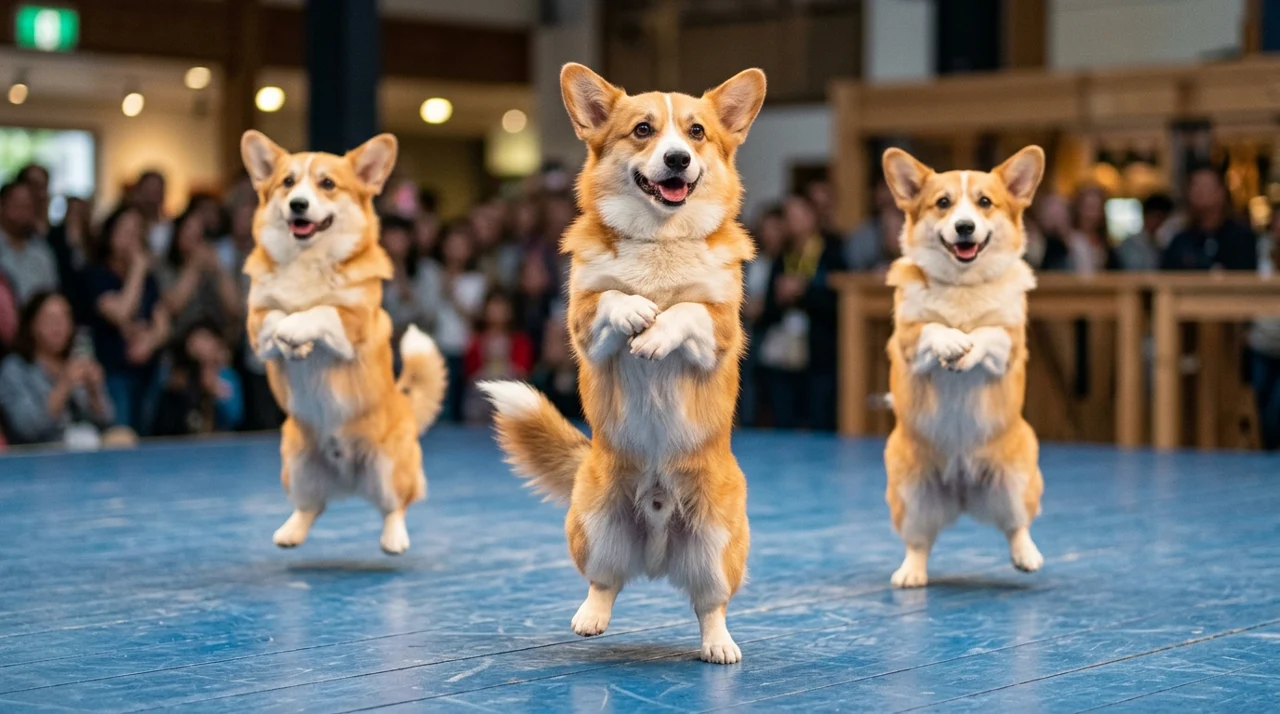
A readable dance has a starting stance, a weight shift, and a landing. Those beats matter more than an elaborate routine. A small two-step that starts and ends on the same pose can also loop cleanly.
Trend examples
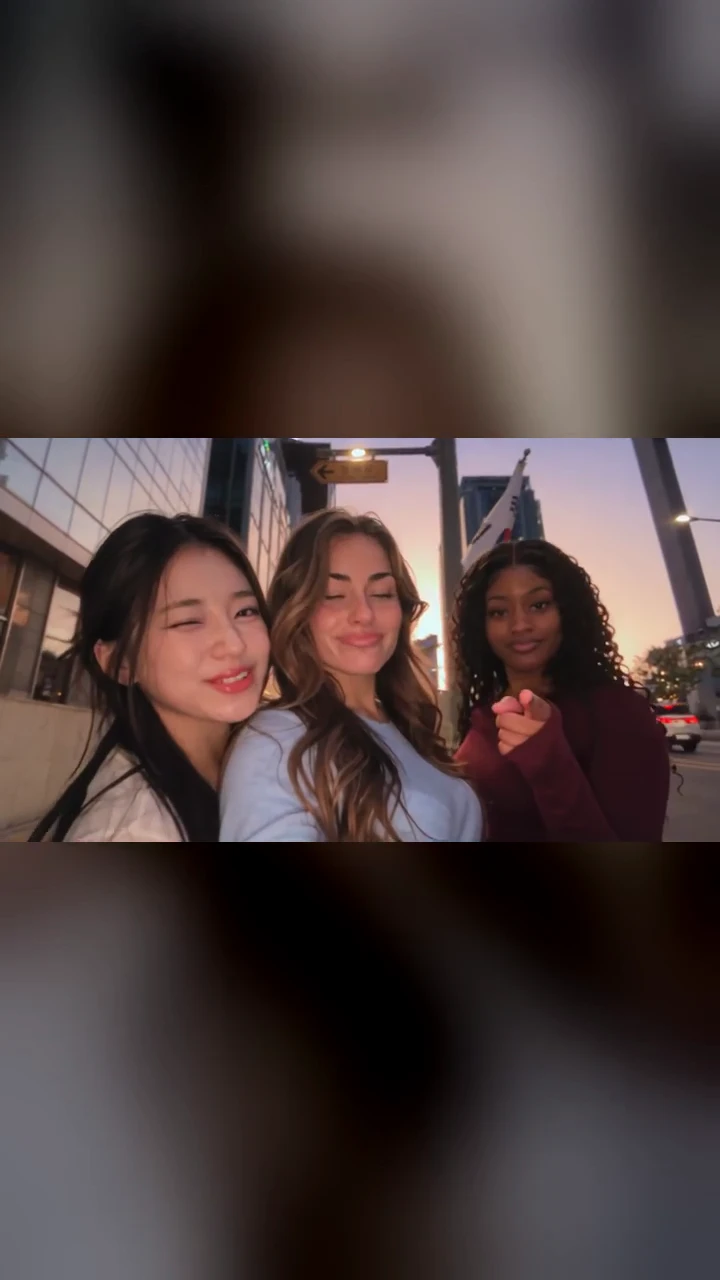
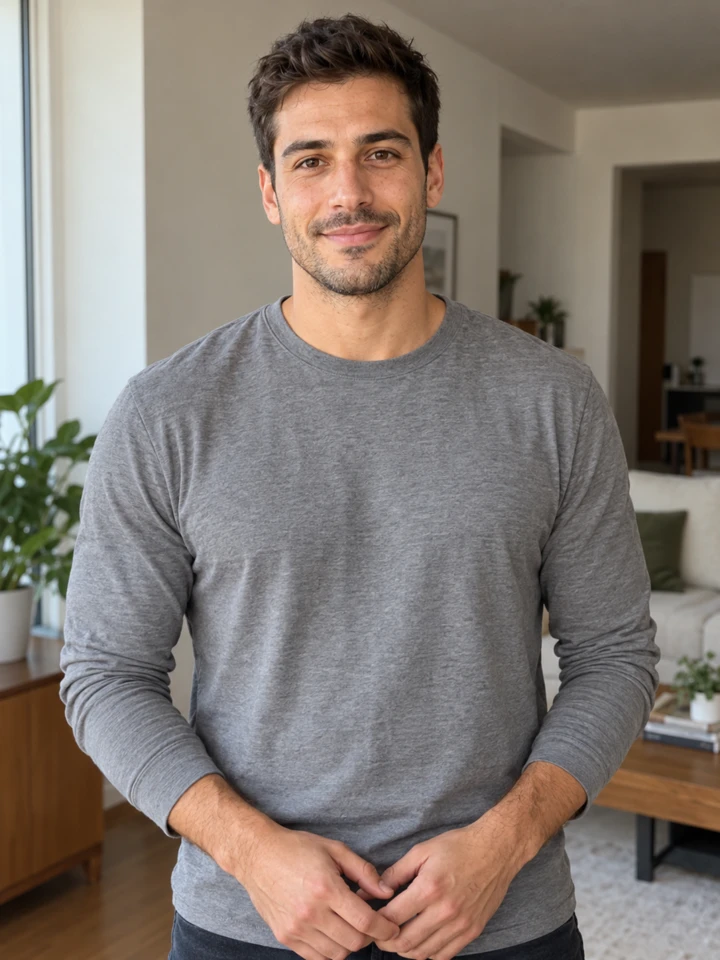
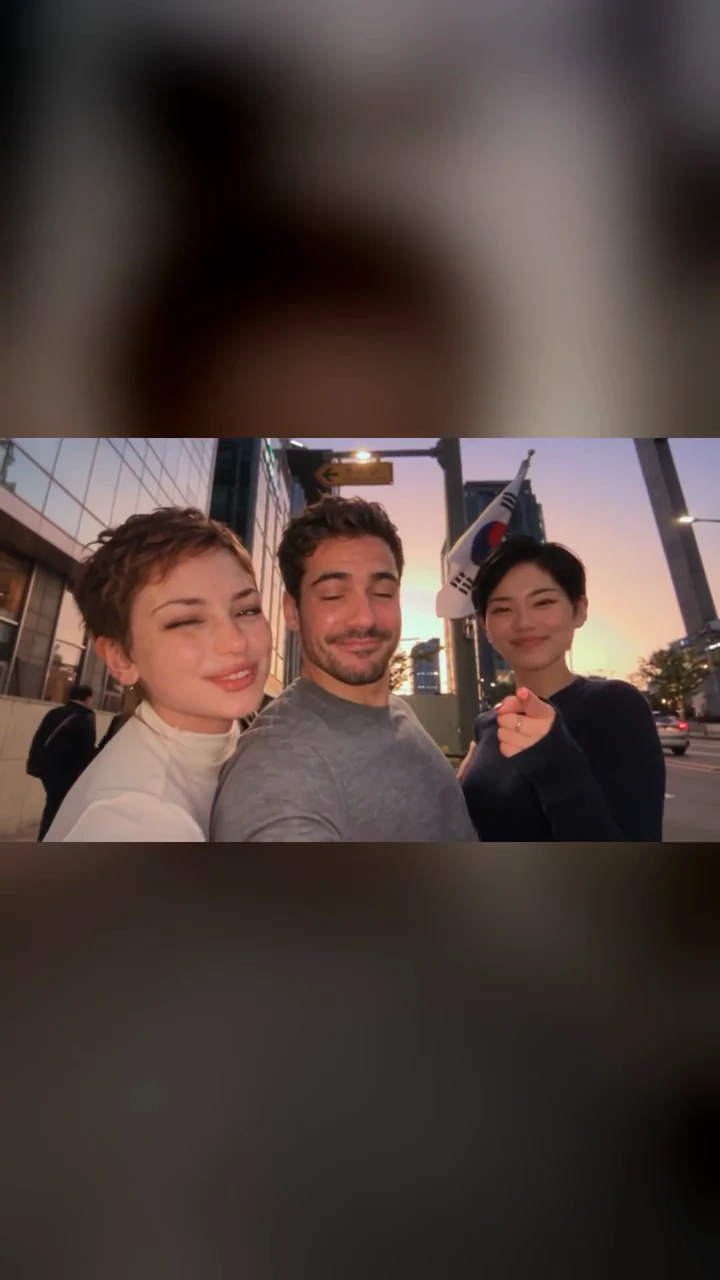
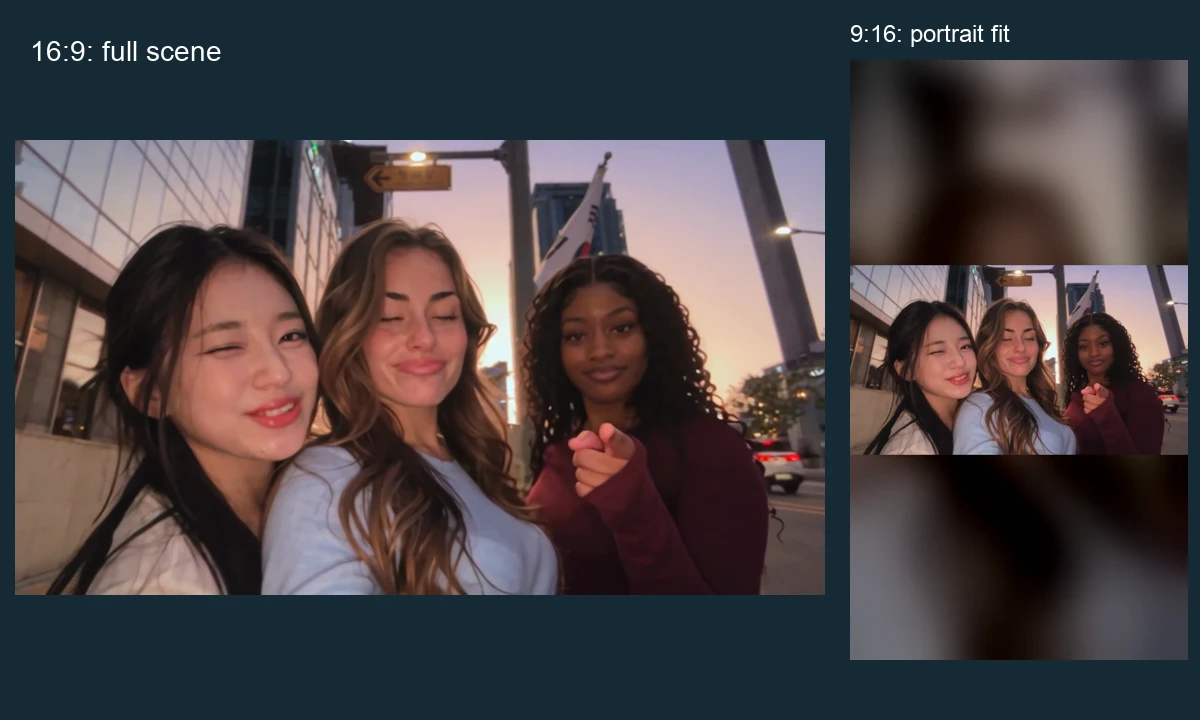
Choose a photo
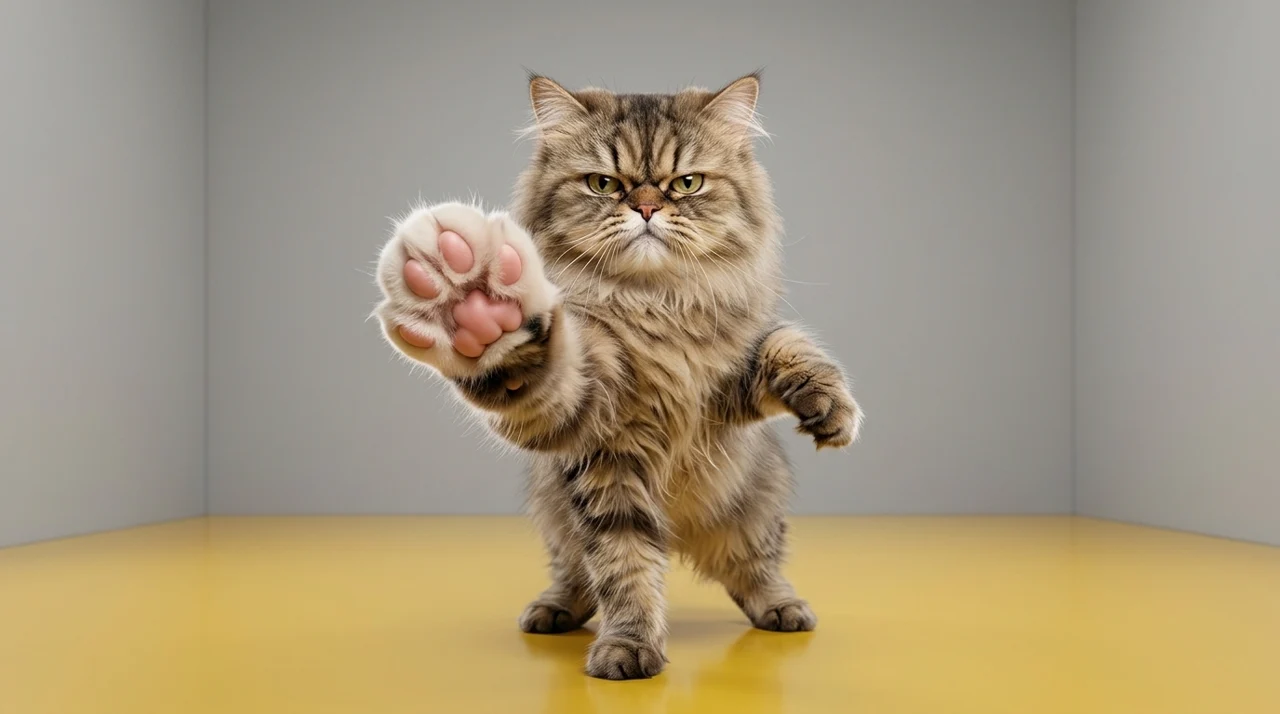
Use a full-body photo with room below the paws and above the head. Avoid furniture in front of the legs.
Make the video
- Choose a standing photo with the full body and floor visible. For a cat, leave clearance around its tail so a turn does not trace over its legs.
- Pick one motion such as a side step or a head bob. Keep the camera fixed and preview the move before adding a second beat.
- Mark the first landing in your editor and line it up with the beat. Trim on a settled pose or match the final pose to the opening for a loop.
Example prompt
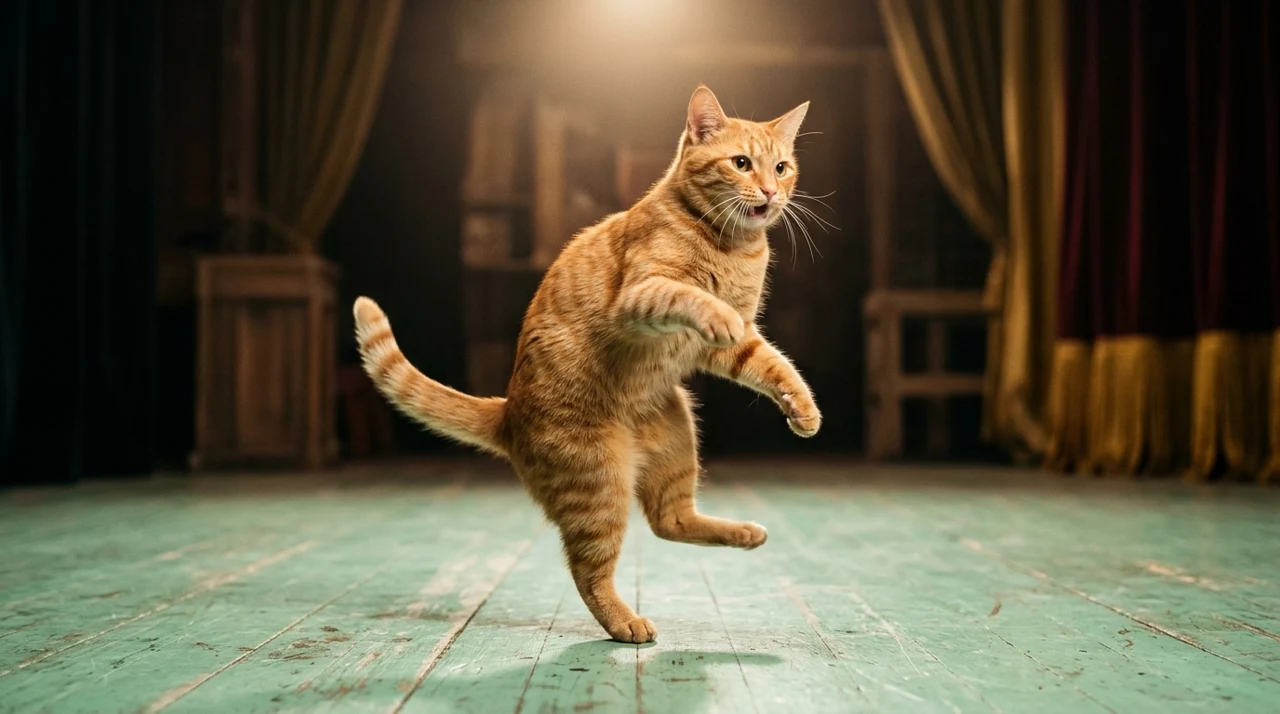
An orange tabby does two gentle side steps and a small head bob on a mint studio floor. Keep the camera steady and show all four paws.
Troubleshoot the result
If paws slide, use a smaller shift and a floor with a visible edge or texture. If legs merge, remove overlapping footwork and keep a slightly wider frame.
Before you share
Check the paws on each beat. If the feet slide or legs overlap, use one repeating move.
Frequently asked questions
How do I make a pet dance in sync with music?
Add the track after the motion is usable. Align the clearest footfall or head bob to a beat, then check the cut with sound and on mute.
How do I get started with AI dog dancing?
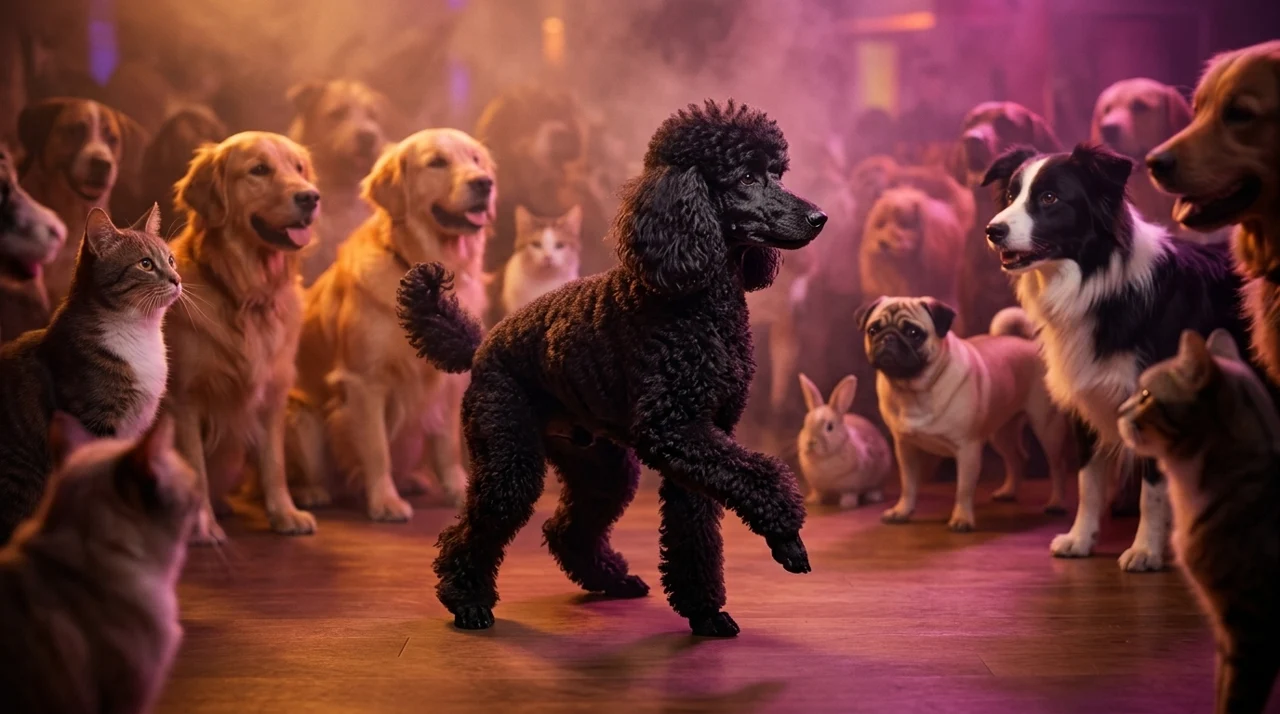
Start with a standing portrait and a simple move, such as two side steps followed by a pause. Keep the camera still and watch the paws as they land. If they slide, try a shorter step.
What works well for an AI cat dance video?
Try a small head bob and a gentle side step. Use a photo with space around the ears and paws, and simplify the routine if the front legs start to overlap.